

Rivers End Ranch
At the southern edge of Lake Abert, a rare conservation opportunity has emerged. ODLT is working to acquire Rivers End Ranch and, in doing so, bring together neighboring landowners, Tribes, state and federal land managers, and others to conserve and restore this incredible area.
This 6,369-acre property includes several miles of the Chewaucan River, Crooked Creek, and Willow Creek, along with Rivers End Reservoir—one of the largest reservoirs in Oregon’s high desert. The ranch borders the south end of Lake Abert—the only hypersaline lake in the Pacific Northwest.
Lake Abert plays an outsized role in the Pacific Flyway. This area is used by millions of birds each year. At high water levels, the lake stretches across roughly 55 square miles and provides a critical feeding stop for migratory birds. Its salty waters support vast numbers of brine shrimp and brine flies, creating an abundant food source for waterfowl and shorebirds to rest and refuel. In the Intermountain West, Lake Abert may be second only to Great Salt Lake in its importance to migrating shorebirds.
Waterbirds of Lake Abert — Ron Larson
More than 200 bird species have been recorded here. The lake’s wide shorelines—mudflats, alkali playas and sandy gravel beaches—can host astonishing numbers during migration. Past surveys counted over 150,000 shorebirds at a time, including tens of thousands of American avocets, and as many as 200,000 phalaropes. Lake Abert is especially important to Wilson’s phalaropes, eared grebes and northern shovelers. It also provides crucial breeding grounds for several species experiencing population declines, including state-threatened western snowy plovers.
— Mick Thompson
Altogether, bird use of the lake has been estimated at more than 3 million bird-use days in a single year. Safeguarding the lands and waterways that support Lake Abert is essential to maintaining this remarkable habitat for wildlife and future generations—especially as the lake has experienced periods of extremely low water and even gone dry in recent years.
— Ron Larson
Rivers End Ranch has been at the center of controversy in the past due to concerns about its impact on conservation and cultural preservation, as outlined in a recent Oregonian article. In response to the many challenges facing the Lake Abert basin, Oregon’s governor convened the Partnership for Lake Abert and the Chewaucan (PLACe) in 2023 to bring stakeholders together to identify solutions. Although scientists differ on the degree to which the Rivers End Ranch Reservoir influences water levels in Lake Abert, most stakeholders agree that understanding and managing flows through the reservoir will be essential to resolving long-standing water management conflicts in the basin.
Acquiring the property would allow ODLT to guide land and water management toward conservation while supporting working lands and stewardship of living cultural heritage sites. These lands lie within the traditional homelands of the Northern Paiute (Numu) and contain burial sites, storied rocks and other cultural heritage. ODLT’s purchase of Rivers End Ranch would help restore Tribal access and foster partnerships that will ensure appropriate stewardship of the cultural landscape.
— Mark Darnell
The surrounding landscape also holds significant conservation value. Public lands adjacent to the property include a Conservation Opportunity Area, an Audubon Important Bird Area, an Area of Critical Environmental Concern, and a Wilderness Study Area. Rivers End Ranch is also located just southeast of Summer Lake State Wildlife Refuge and falls within an Oregon Department of Fish and Wildlife-identified Priority Wildlife Connectivity Area. The property is home to redband trout, trumpeter swans, snow geese and bighorn sheep, among other treasured high desert species.
— Brian Ouimette
NEXT STEPS
ODLT is taking action now to conserve Rivers End Ranch. The total project cost of ~$12.7M includes the cost of land acquisition, due diligence, and the creation of a stewardship reserve to ensure long-term conservation and restoration efforts are successful. ODLT is working to secure funding for the project from a wide variety of sources, including private gifts and state and federal funding. Please reach out if you have any questions or if you can help us make this important project a reality!
Learn More
- Watch an episode of The Great Outdoors by Central Oregon News Daily on how Lake Abert is an important gathering spot for birds.
- Learn what Lake Abert birds have been documented through community science efforts on eBird.
- Interested in really digging in? You can take an illustrated exploration on the ecology, geology, flora, fauna, and local history of the surrounding region with the book “A Natural History of Oregon’s Lake Abert in the Northwest Great Basin Landscape.”
Stay Tuned!
- We’ll keep you posted on updates and opportunities in our monthly online newsletters.
Discover details about this region
Related Reads
Secrets of the Playa
Martin "Marty" St. Louis shares secrets of Summer Lake's shores.
Seeing the land in a different Light
Northern Paiute Tribal member Wilson Wewa brings a Native perspective to ODLT's work.
Wildlife encounters
Land Trust volunteers are keeping track of animals on the ground and on camera.
Balancing a range of concerns
Angela Sitz brings wild and working lands together.
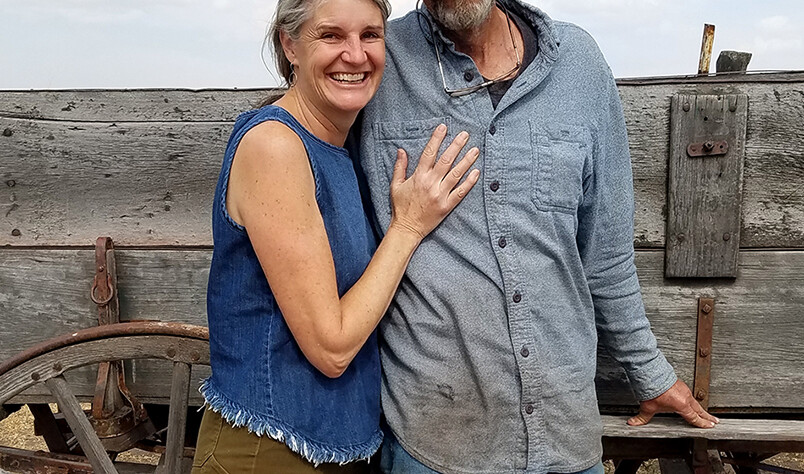
Preparing for Rain
A conversation with Becky Hatfield Hyde & Taylor Hyde — Owners of Hatfield Hyde Land Trust — Brothers, OR
Tribal Stewards
Tribal teens lead on conservation efforts through Northwest Youth Corps.
Tribal Gatherings
Tribal leaders discussed the Native history and stewardship of their homelands at Trout Creek Ranch.
Looking out for the birds
Volunteers help guide restoration plans with wetland bird surveys.
A land of learning
Local Tribal members shared stewardship practices to inspire youth.
Going with the flow
We're restoring a creek to help fish and wildlife.
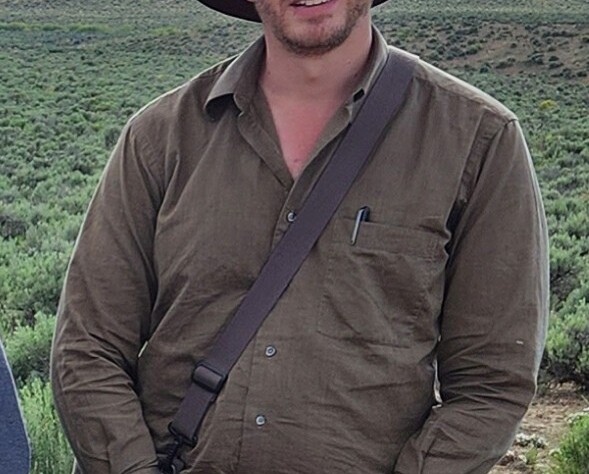
Word Trapper
A conversation with Thierry Veyrié — Fort McDermitt Paiute-Shoshone Tribe Language Program Director — McDermitt, OR-NV
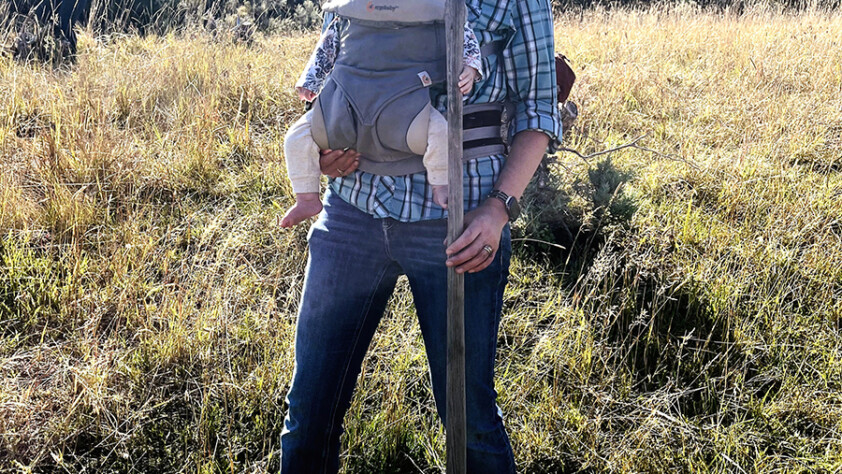
Desert Duet
A conversation with SageCon Coordinator Rachael Davee & Oregon Department of Fish & Wildlife Biologist Andrew Walch — Redmond, OR
