

In Oregon's high desert, conservation rarely follows a predictable timeline. Threats and opportunities arise quickly, landscapes change slowly, and stewardship strategies evolve to meet emerging needs. The work ahead will require the same combination of vision, collaboration, and readiness that has guided us from the beginning.
Over the next several months, ODLT will develop its strategic plan for 2027–2030, guided by the input of neighbors, community partners, donors, and volunteers. Hundreds of people participated in surveys and conversations to help guide the organization’s priorities in the years ahead. Their feedback, experience, and willingness to engage are helping ensure that ODLT’s future remains grounded in the people and landscapes we serve.
“I’m inspired by the thoughtful input and feedback we’ve received over the past several months. It’s a huge service to this organization and helps ODLT continue to evolve to best serve Oregon’s high desert,” said ODLT Executive Director Brent Fenty.
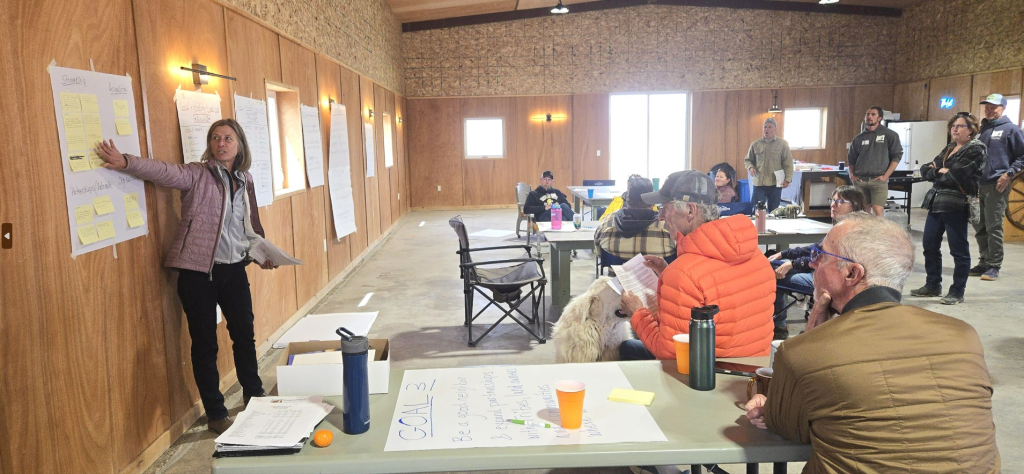
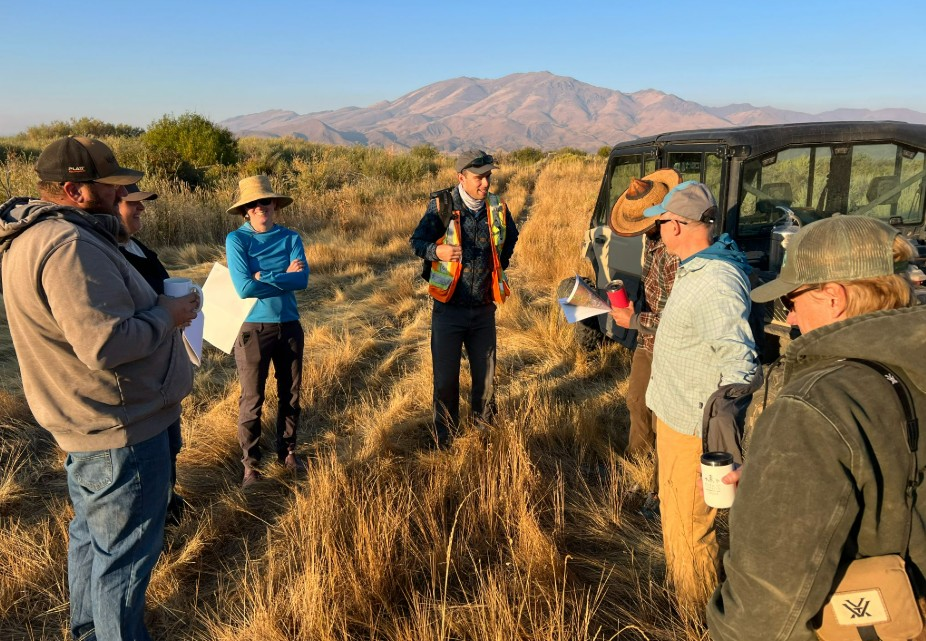
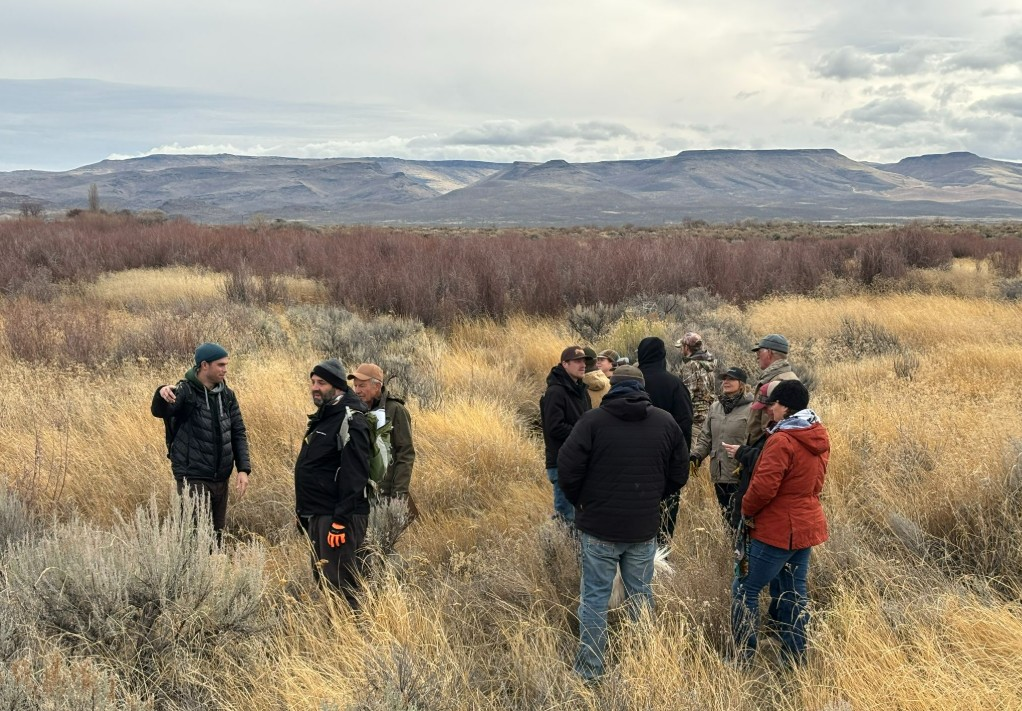
As part of the process, our board and staff recently spent a day reflecting on ODLT’s current strategic plan and exploring where conservation opportunities and challenges may lead us next. The conversation offered a chance to recognize how much we’ve accomplished in a relatively short time.
Looking Back to Move Forward
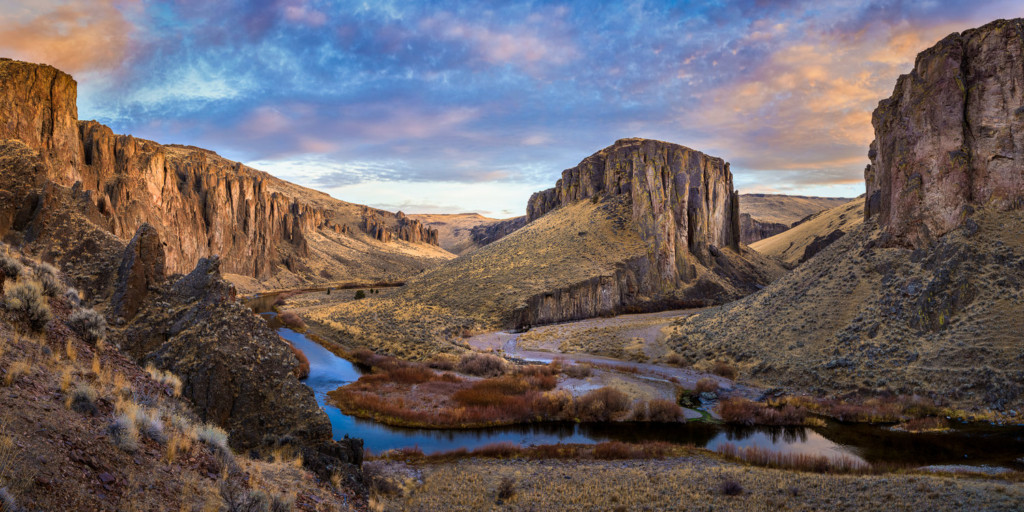
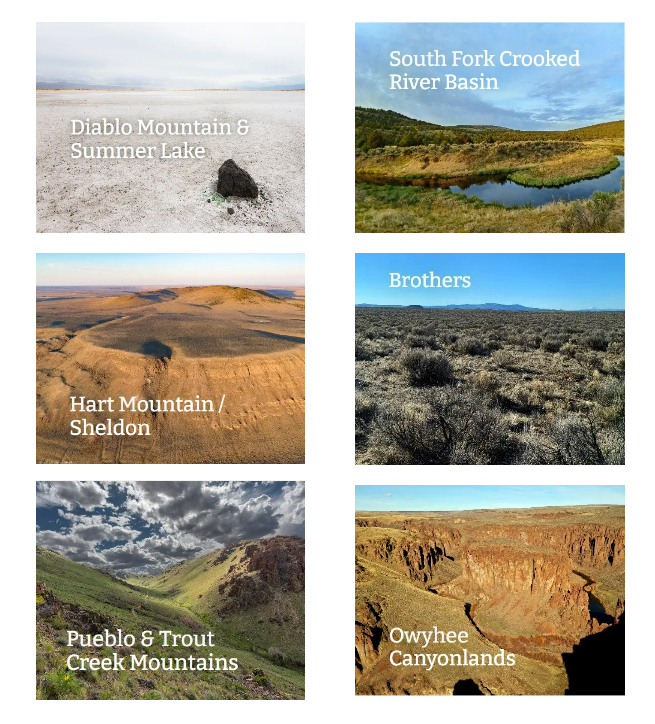
ODLT was founded in late 2017 to conserve and restore wild and working lands for wildlife and people. To date, the organization has conserved over 20,000 acres of priority land, stretching from Brothers just east of Bend to the West Little Owyhee River near the Idaho and Nevada borders. These lands have provided the foundation for partnerships with local Tribes, ranchers, state and federal land managers, and others to work collaboratively.
Since adopting our current strategic plan in 2022, ODLT has deepened restoration and stewardship work at Trout Creek Ranch, expanded conservation efforts by acquiring Disaster Peak Ranch, grown staffing, strengthened organizational systems, and established long-term stewardship funding to support the lands in our care. The results are visible on the landscape and throughout the organization, but they are ultimately rooted in something less tangible: the relationships, trust, and partnerships that make long-term successful conservation work possible.
Looking back, board member John Sterling recently reflected on how far the organization has come.
“Everything in ODLT’s earlier years was a picture of what we hoped the organization would look like someday,” he said. “Those goals have been solidified, and I’d say we’ve been more ambitious and accomplished more than what we thought was possible nearly 10 years ago.”
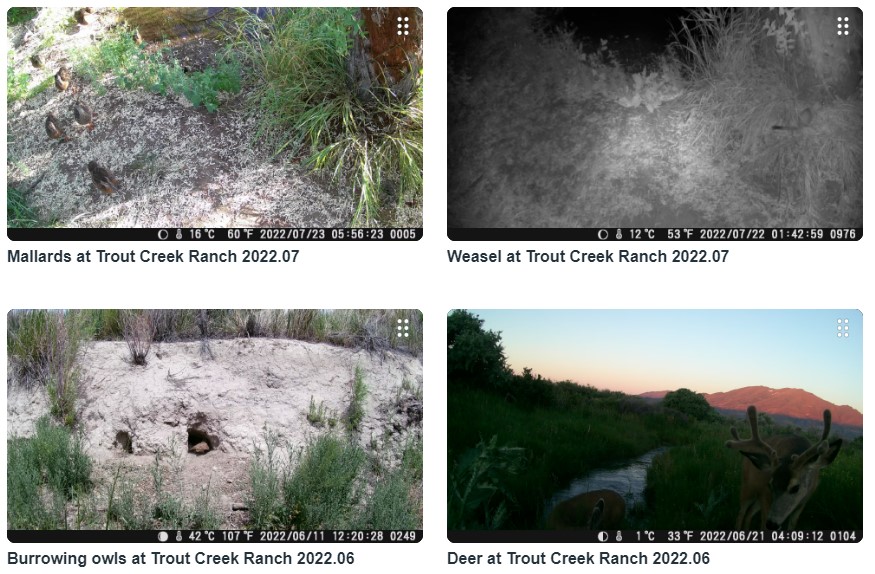
Much of that progress has been made while tackling increasingly complex conservation challenges. At Trout Creek Ranch alone, restoration planning, grazing management, wet meadow restoration design, virtual fence projects, volunteer engagement, and community partnerships have all continued to move forward quickly and in an integrated way.
Conservation Begins with Relationships
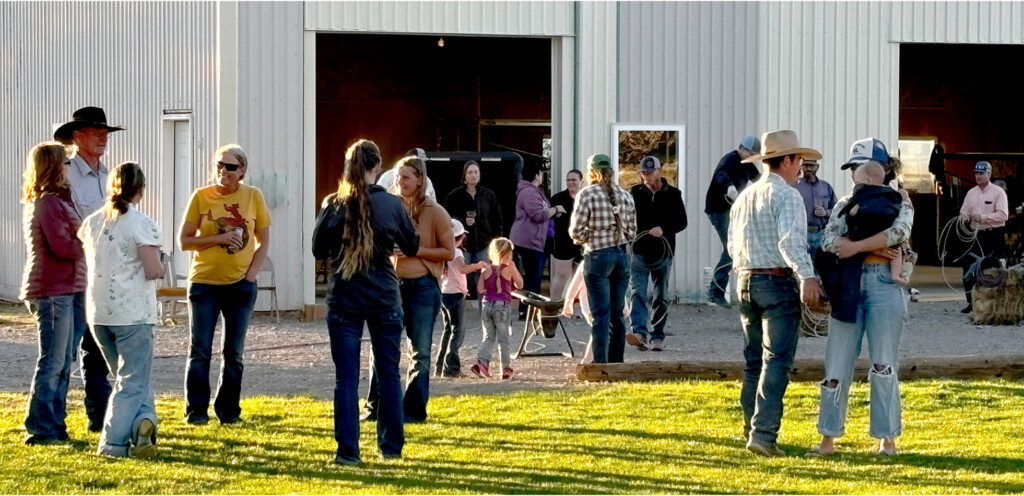
Both internal and external feedback pointed to ODLT’s unique model of combining conservation, stewardship and working lands management in ways that support both wildlife and rural communities. Just as importantly, participants reflected on the relationships, trust, and partnerships that have made that work possible, and the importance of ODLT’s commitment to be a good neighbor. Responses described how the organization should continue emphasizing a willingness to listen, collaborate, and remain engaged in communities for the long term.
What We Heard
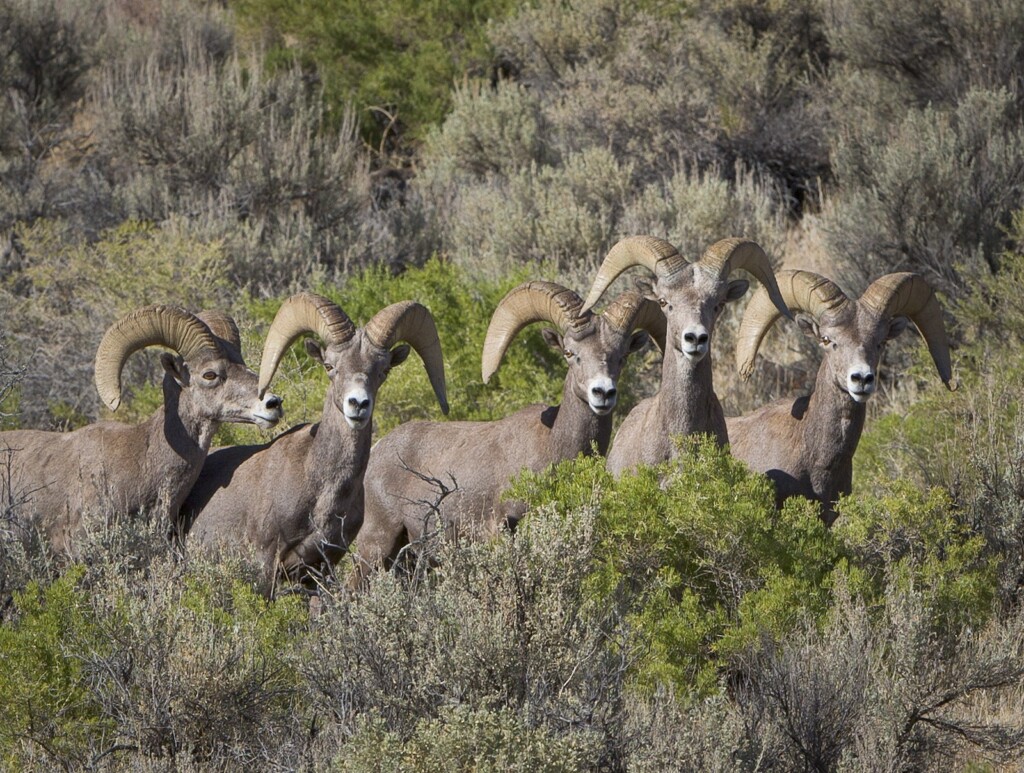
Overwhelmingly, survey respondents identified habitat restoration and wildlife connectivity as the organization’s highest priorities. Working lands, water scarcity, stream health, and the loss of sagebrush habitat (due to invasive species and wildfire) also emerged as major concerns.
At the same time, many participants expressed that conservation success depends on more than projects alone. It requires trust, strong partnerships, organizational resilience, and a willingness to adapt as conditions change.
One theme surfaced repeatedly: stewardship matters as much as acquiring land. Participants encouraged ODLT to continue investing in the lands already under our care while thoughtfully evaluating future opportunities.
Many also stressed the importance of deepening relationships with Tribal partners, expanding community outreach, strengthening organizational sustainability, and maintaining the local, place-based approach that has become a hallmark of ODLT’s work.
Those successes remind us that lasting conservation depends as much on people as it does on place.
Ready for What Comes Next
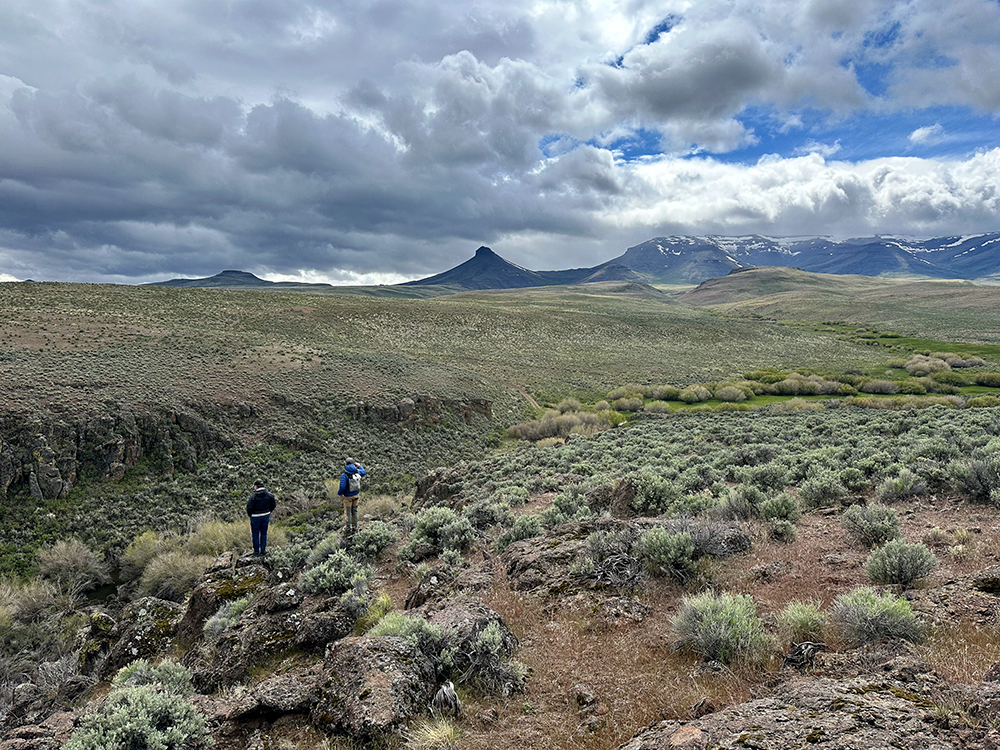
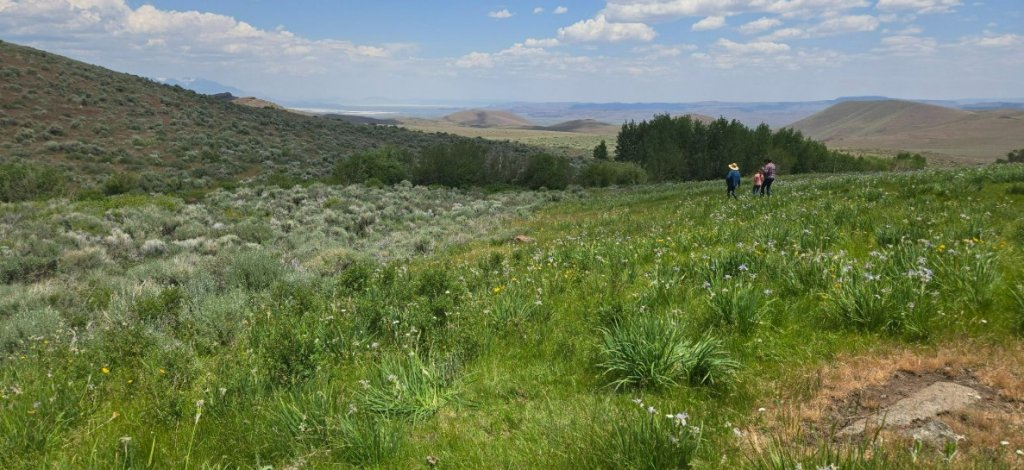
As recent efforts at Trout Creek Ranch and Disaster Peak Ranch have demonstrated, meaningful conservation requires organizations that are prepared when opportunities arise. An updated strategic plan will ensure we’re ready to seize new conservation opportunities while strengthening the people, partnerships and stewardship needed to steward these landscapes for decades to come. It also requires the patience to build trust, the commitment to long-term objectives, and the humility to learn alongside the communities where we work.
We’re grateful to everyone who participated in this planning process and shared their perspective. Your insight helps turn vision into lasting impact and ensures ODLT remains ready for whatever comes next. Together, we’re building a stronger future for Oregon’s high desert—one rooted in stewardship, partnership, and a shared commitment to the landscapes we all cherish.
If you were unable to fill out the survey, we still welcome your insights. Please don’t hesitate to reach out if you have other feedback or input to share. We cannot do this work alone and welcome any thoughts or information you would like to share.
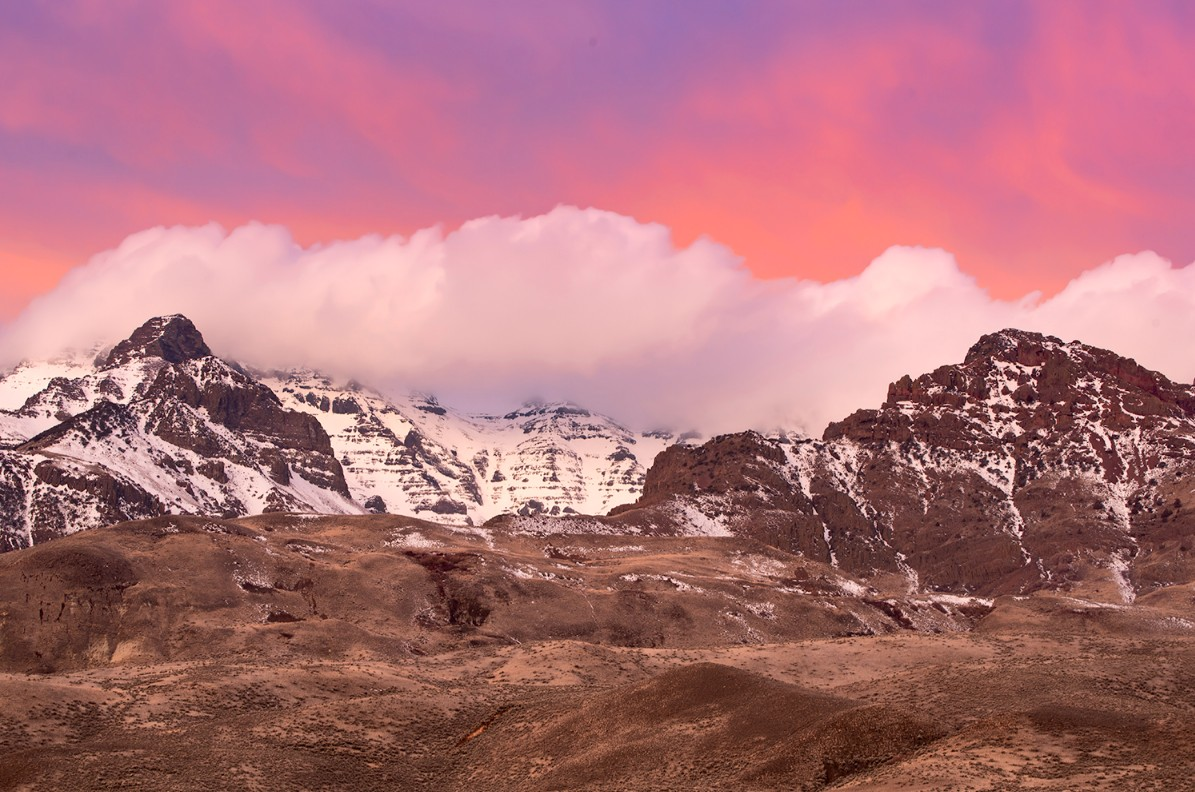
Feature image: Steens Mountain at sunset. —Mark Darnell
Published July, 2026
Learn More
- Review our 2023-2025 Strategic Plan.
- Read about the upcoming restoration plans and the range of changes that occurred at Trout Creek Ranch since 2021.
- Learn more about Disaster Peak Ranch.
- Take part in volunteer projects of bird surveys, land inspections and work parties, which can include fence removal or updates with wildlife friendly strands.
Discover details of where we work
View Wildlife Camera Videos
More perspectives
Related Reads
Happy Recognitions
A conversation with Cindy Talbott Roché — Botanist, Illustrator and Author — Bend, OR
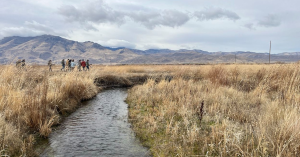
Listening to the Landscape
We've made way for restoration at Trout Creek Ranch.
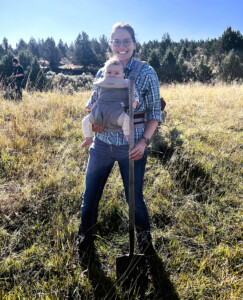
Desert Duet
A conversation with SageCon Coordinator Rachael Davee & Oregon Department of Fish & Wildlife Biologist Andrew Walch — Redmond, OR
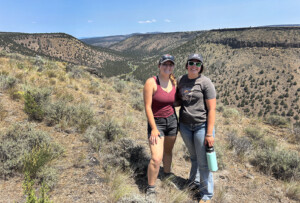
A Summer to Remember
College interns were a huge help over the summer.
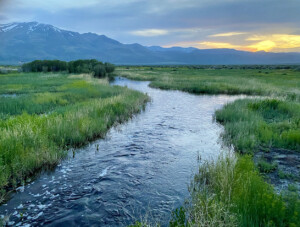
A Range of Change
Trout Creek Ranch updates help conservation and community.
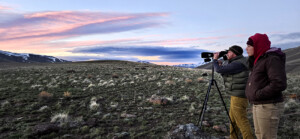
Grouse Count
We've joined in state surveys of greater sage-grouse.
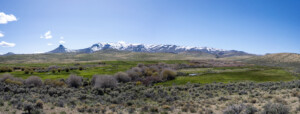
Reaching for new heights in conservation
Together, we can conserve Disaster Peak Ranch!
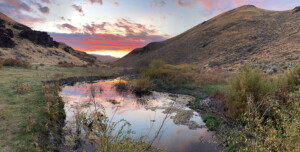
Going with the flow
We're restoring a creek to help fish and wildlife.
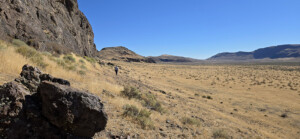
A land of learning
Local Tribal members shared stewardship practices to inspire youth.
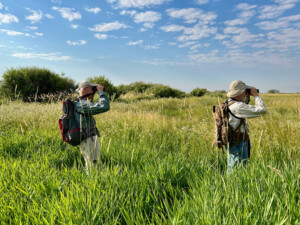
Looking out for the birds
Volunteers help guide restoration plans with wetland bird surveys.
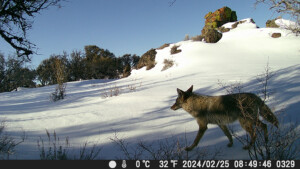
Watching wildlife
Wildlife cameras help with conservation plans for animals throughout the year.
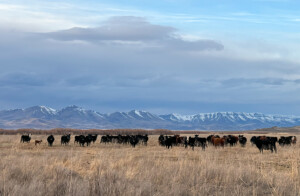
Virtual fences mooove cows online
Virtual fence is a new technology that can help land managers maintain wildlife connectivity in permitted grazing areas.
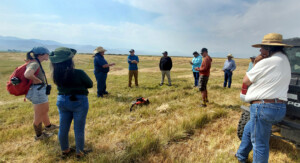
Tribal Gatherings
Tribal leaders discussed the Native history and stewardship of their homelands at Trout Creek Ranch.
Research fueled by fire
Oregon State University finished 10 years of fieldwork on sage-grouse responses to wildfire.
Tribal Stewards
Tribal teens lead on conservation efforts through Northwest Youth Corps.
Spring returns
Rod Klus returns to researching sage-grouse for Oregon Department of Fish and Wildlife.
Mountains of Research
Researchers spent a summer in the mountains and left with more than data.
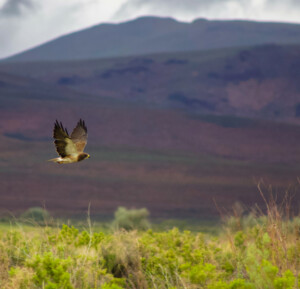
Spreading wings in conservation
Jack Strang created new connections to the high desert during our first internship.
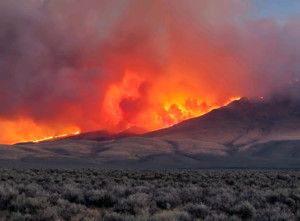
Neighbors helping neighbors fight fires
Rangeland Fire Protection Associations protect the high desert and each other.
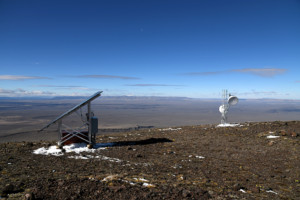
Watching for wildfires
A live camera on Beatys Butte helps wildfire efforts in the high desert.
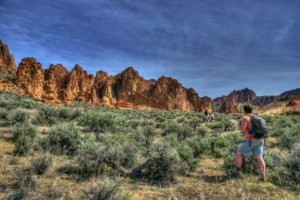
Spring into recreation & conservation
John Sterling works at the intersection of both as a volunteer board member.
Balancing a range of concerns
Angela Sitz brings wild and working lands together.
Wildlife encounters
Land Trust volunteers are keeping track of animals on the ground and on camera.
Keeping it connected
Closing the unnatural gap between wildlife refuges opens doors for pronghorn.
Seeing the land in a different Light
Northern Paiute Tribal member Wilson Wewa brings a Native perspective to ODLT's work.
Lorem ipsum dolor sit amet, consectetur adipiscing elit. Ut elit tellus, luctus nec ullamcorper mattis, pulvinar dapibus leo.
