
A range of restoration
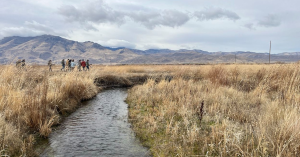
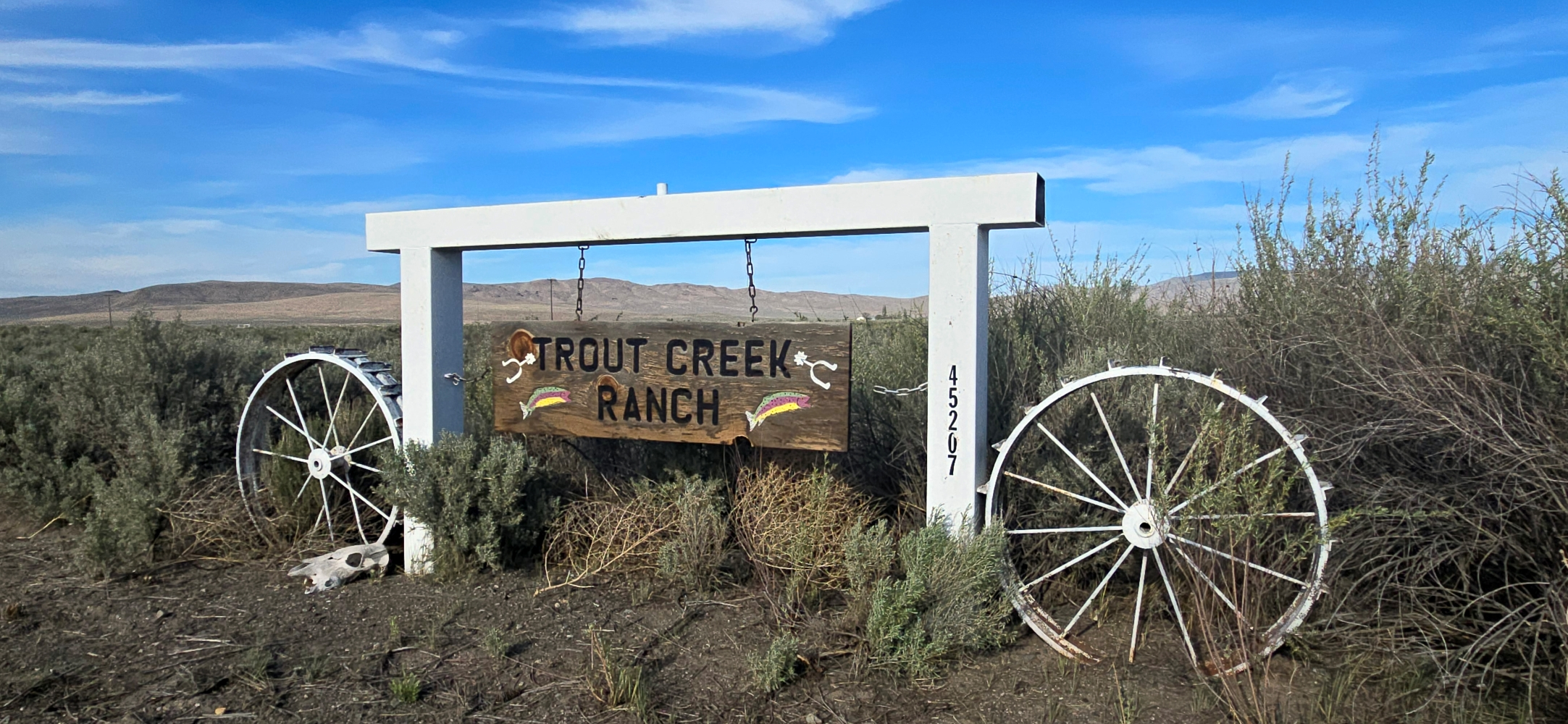
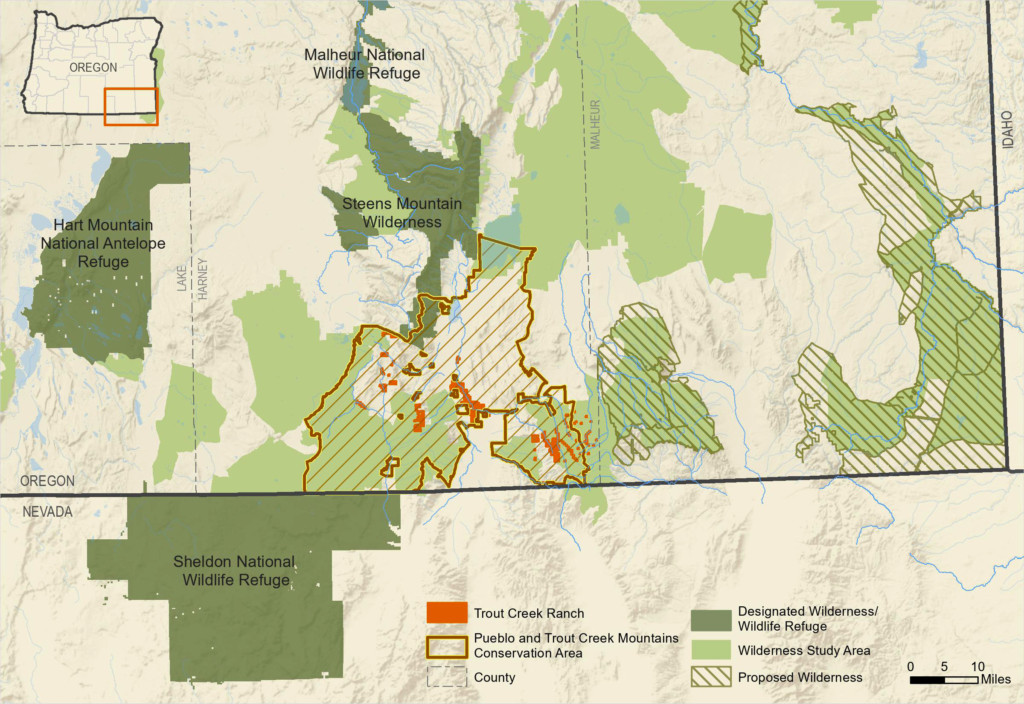
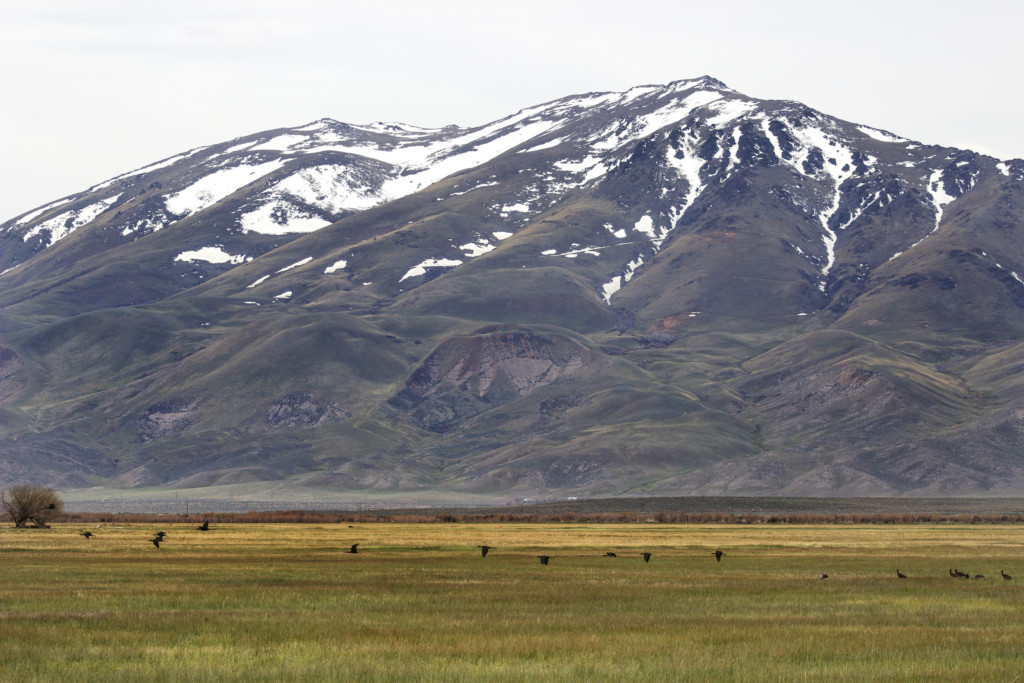
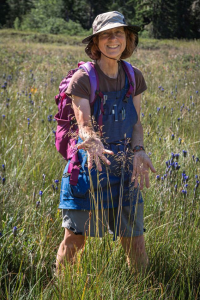
The headquarters of Trout Creek Ranch lie in a low valley between the Pueblo and Trout Creek Mountains. This arid landscape features a mix of salt-scrub, sage-steppe and willow laden meadow bisected by the lower reaches of Trout Creek. Nearby features include the Alvord Desert—Oregon’s driest place—Borax Lake, with 105 degree water that supports the unusual and endangered Borax Lake chub, and the Alvord Lake playa, the final destination of the ranch’s namesake.
Historically one of the area’s most iconic cattle ranches, the headquarters portion of Trout Creek Ranch includes both ranching and farming infrastructure. We’re working with local partners to continue farming and ranching operations that help support the local economy and achieve conservation goals across the project area.
Wetlands for Wildlife
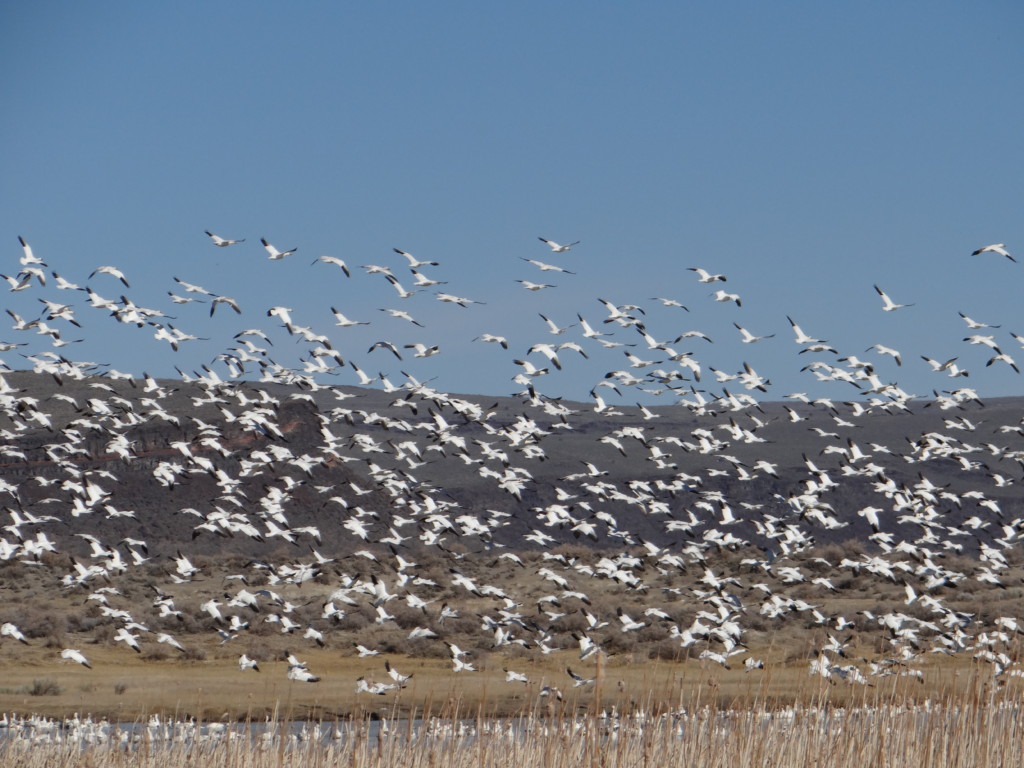
The wetlands of Southern Oregon-Northeastern California (SONEC) comprise some of the most important spring and fall staging habitat for waterfowl in North America, supporting over 70% of the Pacific Flyway’s dabbling ducks and 30% of the continent’s northern pintails during spring migration. The Intermountain West Joint Venture has identified approximately 5,700 acres of Trout Creek Ranch as SONEC priority areas. The ranch’s meadows are also located 40 miles directly south of Malheur National Wildlife Refuge, a protected area that supports more than 340 bird species.
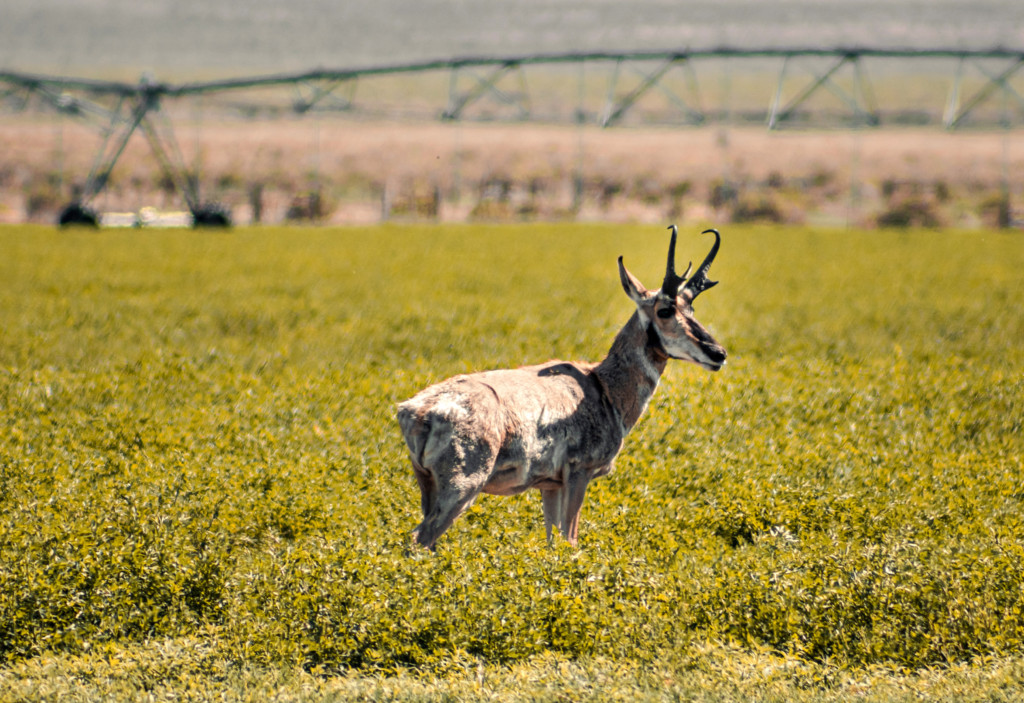
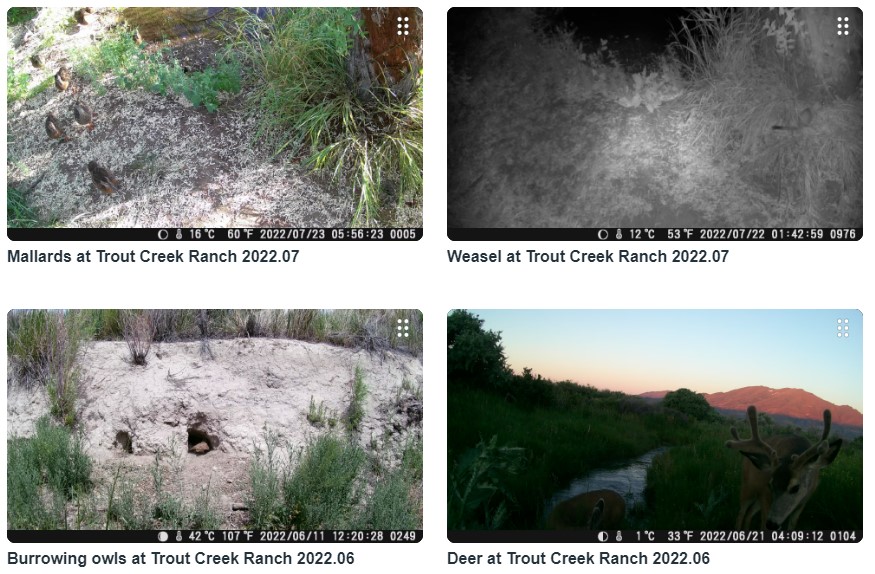
Like Malheur Wildlife Refuge to the north, flood-irrigation, haying, and grazing are being managed on Trout Creek Ranch to provide critical habitat for waterfowl. ODLT has continued irrigating Trout Creek’s wet meadows to support the SONEC Working Wet Meadows Initiative for bird conservation. We are working with multiple partners on restoration projects for this amazing resource. Management occurs to sustain a variety of birds and pronghorn antelope during their migrations, as well as many other animals year-round. Mountain lion, bobcat, and mule deer have all been seen on the landscape.
Investing in the future
Purchasing and protecting Trout Creek Ranch was an important first step, but we’re just as excited about the road ahead. Partnering with The Nature Conservancy and others on research efforts and conservation management are helping accomplish regional conservation goals, test innovative restoration techniques, and develop new, collaborative land management strategies on wild and working lands for wildlife and people. Ongoing efforts include:
- Assess ecological values, develop restoration plans, monitor water resources
- Engage Tribal stakeholders through restoration partnerships, cooperative land management and cultural preservation and access agreements
- Establish collaborative working relationships with local farmers, ranchers and state and federal land managers
- Restore thousands of acres of wet meadows for waterfowl, shorebirds, waders and other birds in critical migration and breeding area along Pacific Flyway
- Manage adaptive grazing, introduce regenerative agricultural practices, track progress with remote sensing technologies
- Decommission unneeded infrastructure, rehabilitate ranch buildings, establish facilities for researchers, volunteers, and partners
- Create guidelines and signage outlining opportunities for public access that convey area’s ecological, cultural and historic significance
Feature photo by Adi Fenty
Wildlife Camera Videos
Related Reads
Desert Duet
A conversation with SageCon Coordinator Rachael Davee & Oregon Department of Fish & Wildlife Biologist Andrew Walch — Redmond, OR
A Summer to Remember
College interns were a huge help over the summer.
A Range of Change
Trout Creek Ranch updates help conservation and community.
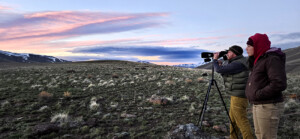
Grouse Count
We've joined in state surveys of greater sage-grouse.
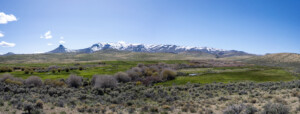
Reaching for new heights in conservation
Together, we can conserve Disaster Peak Ranch!
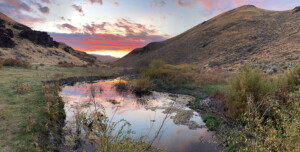
Going with the flow
We're restoring a creek to help fish and wildlife.
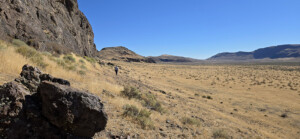
A land of learning
Local Tribal members shared stewardship practices to inspire youth.
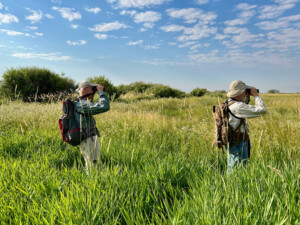
Looking out for the birds
Volunteers help guide restoration plans with wetland bird surveys.
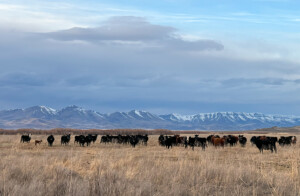
Virtual fences mooove cows online
Virtual fence is a new technology that can help land managers maintain wildlife connectivity in permitted grazing areas.
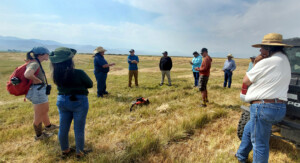
Tribal Gatherings
Tribal leaders discussed the Native history and stewardship of their homelands at Trout Creek Ranch.
Research fueled by fire
Oregon State University finished 10 years of fieldwork on sage-grouse responses to wildfire.
Tribal Stewards
Tribal teens lead on conservation efforts through Northwest Youth Corps.